Introduction
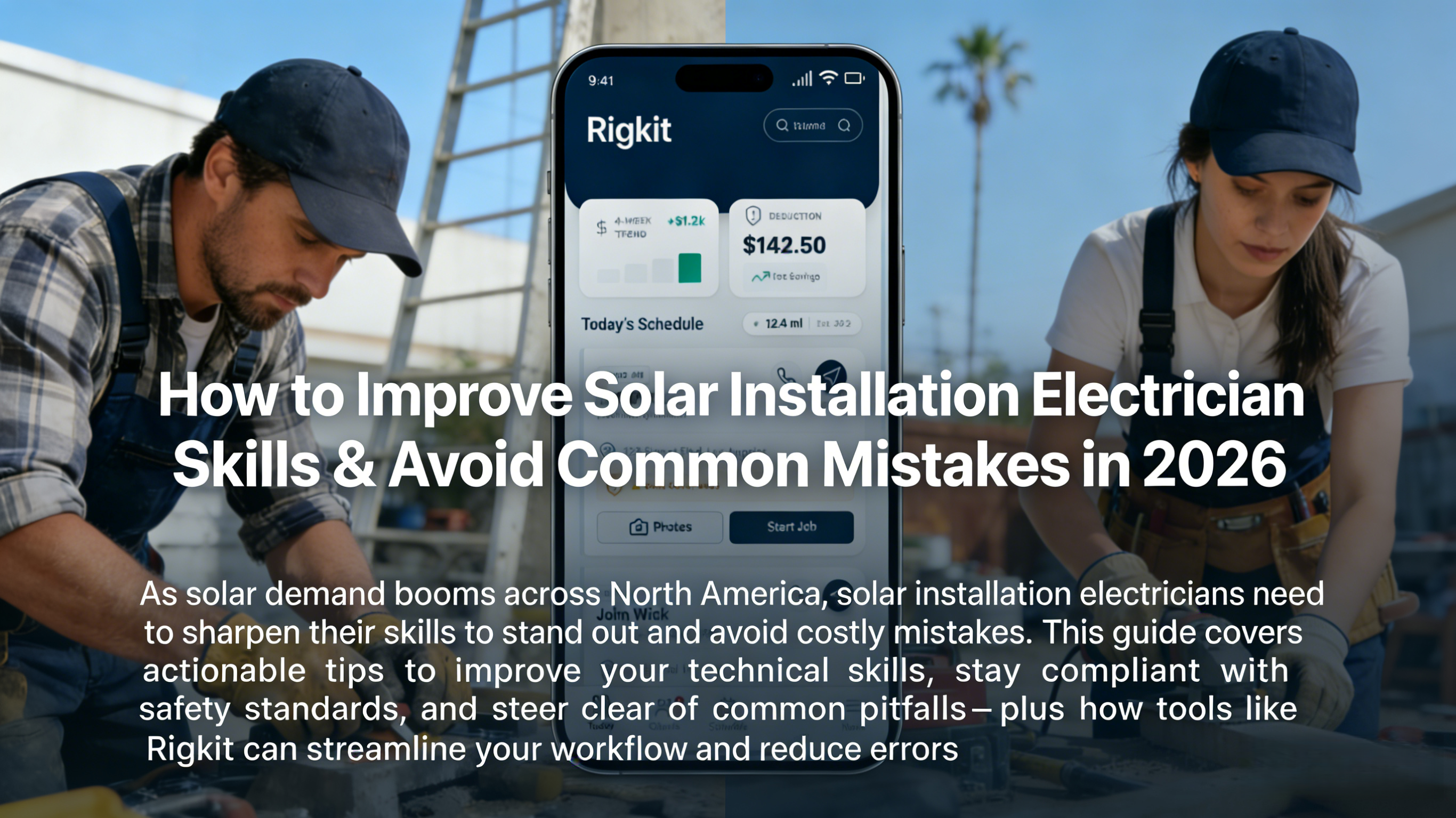
2026 is a pivotal year for solar energy in North America—residential and commercial demand for solar panel installations is at an all-time high, and skilled solar electricians are in short supply. For solo contractors and independent solar electricians, sharpening your skills isn’t just about staying competitive—it’s about delivering safe, compliant work, building trust with clients, and avoiding costly mistakes that can derail your business. Whether you’re new to solar installation or looking to level up your expertise, this guide breaks down practical ways to improve your skills and steer clear of the most common pitfalls in the industry. Plus, we’ll show how tools like Rigkit can simplify your daily workflow, so you can focus on honing your craft instead of getting bogged down in admin tasks.
Part 1: How to Improve Solar Installation Electrician Skills in 2026
Solar installation requires a unique blend of electrical expertise, technical knowledge, and hands-on experience. As the industry evolves—with new panel technologies, safety standards, and incentive programs—continuous learning is key to staying ahead. Here are 5 actionable ways to提升 your skills:
1. Get Certified (and Stay Updated)
Certification is the foundation of a credible solar electrician career. In North America, the most recognized certifications include the North American Board of Certified Energy Practitioners (NABCEP) Solar PV Installation Professional Certification and state-specific electrical licenses (e.g., California’s C-46 Solar Contractor License). These certifications validate your expertise and signal to clients that you’re qualified to handle complex installations.
But certification isn’t a one-time achievement—standards and technologies change, so you need to complete continuing education (CE) courses annually. Look for CE courses focused on new solar panel technologies, battery storage integration, and updated electrical codes (e.g., NEC 2023 updates for solar installations). Many courses are available online, making it easy to fit learning into your busy schedule as a solo contractor.
2. Practice Hands-On with New Technologies
Theory is important, but hands-on practice is how you master solar installation skills. As new technologies emerge—like high-efficiency solar panels, microinverters, and smart monitoring systems—take every opportunity to work with them. If you’re just starting out, offer to assist more experienced solar electricians on projects to gain real-world experience. For seasoned professionals, consider testing new tools and equipment on small projects or mock installations to familiarize yourself with their functionality.
For example, microinverters are becoming increasingly popular for residential installations because they optimize energy production for each panel. Taking the time to practice installing and troubleshooting microinverters will make you more versatile and in-demand among clients.
3. Learn from Industry Experts & Peers
Joining industry groups and communities is a great way to learn from other solar electricians. Platforms like ContractorTalk, Reddit’s r/solar community, and local solar contractor associations offer opportunities to ask questions, share tips, and learn from others’ experiences. Many experienced electricians are happy to mentor newer professionals—don’t be afraid to reach out and ask for advice.
You can also attend industry conferences and workshops (in-person or virtual) to hear from experts, learn about emerging trends, and network with other contractors. These events often include live demonstrations and hands-on training sessions that can help you refine your skills.
4. Master Safety Protocols (Non-Negotiable)
Safety is the most critical skill for any solar electrician. Solar installations involve working at heights, handling high-voltage electrical systems, and exposure to the elements—so mastering safety protocols is non-negotiable. Make sure you’re familiar with OSHA safety standards for solar installations, including fall protection, electrical safety, and heat stress prevention.
Regularly review safety procedures and practice emergency response scenarios (e.g., electrical shocks, falls) to ensure you’re prepared for any situation. Investing in high-quality safety equipment (e.g., harnesses, insulated tools, personal protective equipment) is also essential—cutting corners on safety can lead to serious injury or even death, not to mention costly liability claims.
5. Streamline Your Workflow to Focus on Skill Development
As a solo solar electrician, you’re not just a technician—you’re also a business owner. Administrative tasks like scheduling jobs, tracking business miles, managing client communications, and creating invoices can take up valuable time that you could spend honing your skills. This is where a tool like Rigkit can help.
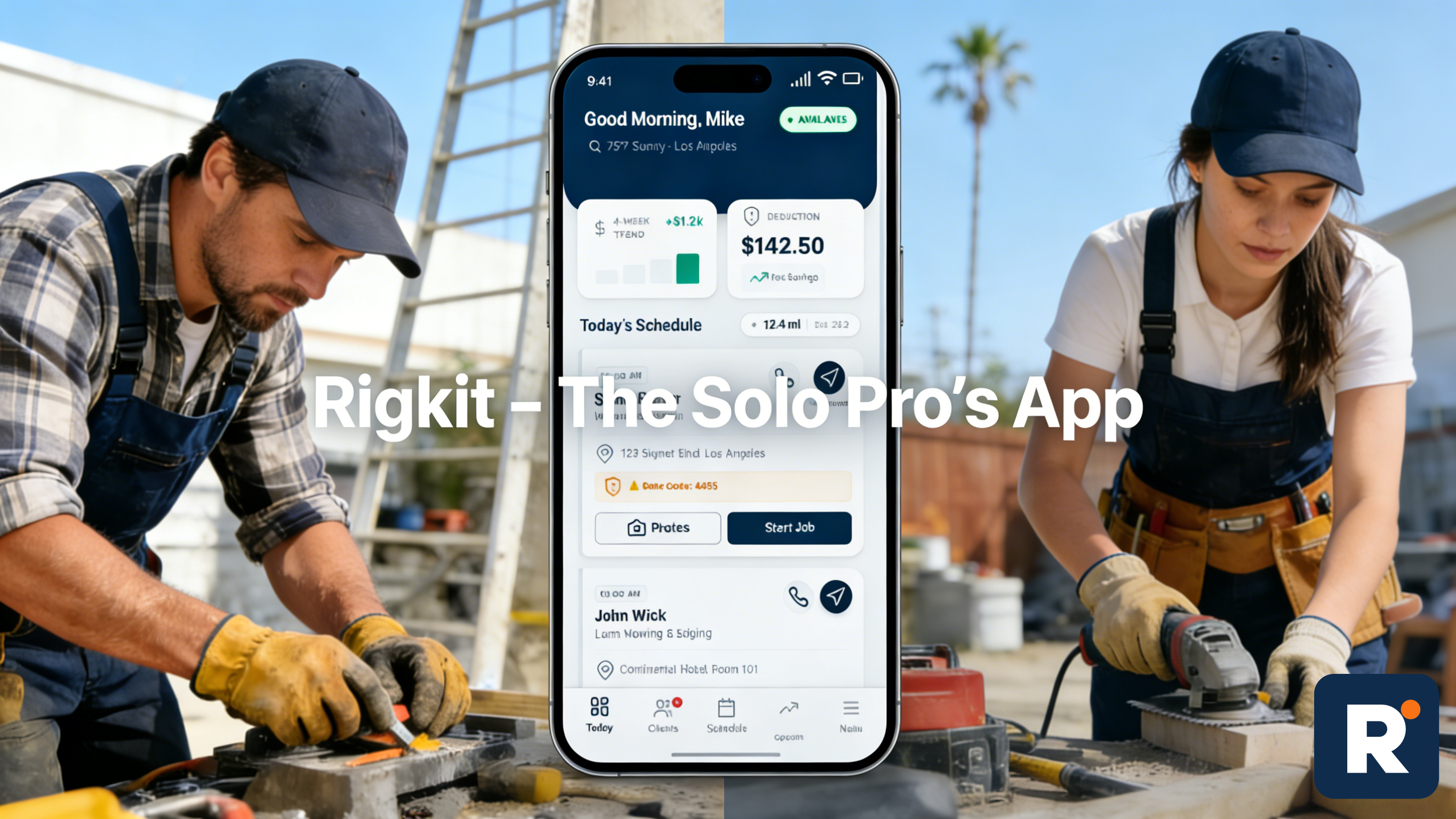
Rigkit’s business management platform is designed specifically for solo contractors, including solar electricians. It automates time-consuming admin tasks: track IRS-compliant business miles, schedule jobs, send professional invoices, and manage client information—all in one place. By streamlining your workflow, you’ll free up hours each week to focus on practicing new skills, taking CE courses, and delivering high-quality work to your clients.
Part 2: Common Mistakes Solar Installation Electricians Make (and How to Avoid Them)
Even experienced solar electricians can make mistakes—but many of these errors are avoidable with proper planning, training, and attention to detail. Below are the most common mistakes and actionable tips to steer clear of them:
1. Poor Site Assessment & Planning
One of the biggest mistakes solar electricians make is skipping or rushing through site assessments. A thorough site assessment is critical to ensuring a successful installation—it involves evaluating the roof’s condition, orientation, and shading, as well as the home’s electrical system and energy needs. Rushing this step can lead to issues like poor panel placement (reducing energy production), incompatible electrical systems, or roof damage during installation.
How to avoid it: Take the time to conduct a detailed site assessment before starting any installation. Use tools like shade analysis apps to determine the best panel placement, and inspect the roof for damage or structural issues. Review the home’s electrical panel to ensure it can handle the solar system, and consult with the client to understand their energy goals. Document your assessment in detail—this will help you avoid miscommunication and ensure the installation goes smoothly.
2. Electrical Wiring Errors
Electrical wiring mistakes are among the most dangerous and costly errors a solar electrician can make. Common wiring issues include incorrect wire sizing, loose connections, and failure to follow electrical codes (e.g., NEC 2023). These mistakes can lead to electrical fires, system failures, or even electrocution.
How to avoid it: Always follow the manufacturer’s instructions and local electrical codes when wiring a solar system. Use the correct wire size for the system’s voltage and current, and ensure all connections are tight and secure. Double-check your work before energizing the system—consider using a multimeter to test for voltage and continuity. If you’re unsure about a wiring task, consult a more experienced electrician or refer to your certification training materials.
3. Ignoring Weather Conditions
Solar installations often take place outdoors, so weather conditions can have a big impact on safety and quality. Working in extreme heat, rain, wind, or snow can increase the risk of accidents and lead to shoddy work. For example, installing panels in high winds can cause them to shift or fall, while working in rain can increase the risk of electrical shock.
How to avoid it: Check the weather forecast before starting any installation, and reschedule if conditions are unsafe. If you must work in less-than-ideal weather, take extra safety precautions—e.g., wear slip-resistant shoes in rain, stay hydrated in heat, and use wind guards for panels. Always prioritize safety over meeting deadlines.
4. Poor Client Communication
Many solar electricians focus on technical skills but overlook client communication—and this can lead to misunderstandings, unhappy clients, and lost business. Common communication mistakes include failing to set clear expectations, not updating clients on project progress, and not explaining the system’s benefits or maintenance requirements.
How to avoid it: Start by having a detailed consultation with the client to understand their goals, budget, and concerns. Set clear expectations about the installation timeline, costs, and what they can expect during and after the project. Keep the client updated regularly—use a tool like Rigkit to send project updates, share invoices, and answer questions quickly. After the installation, explain how to use the system, how to maintain it, and how to maximize energy savings.
5. Skipping Post-Installation Inspections & Maintenance
Another common mistake is skipping post-installation inspections and maintenance. Even if the installation goes smoothly, a post-installation inspection is critical to ensuring the system is working properly and safely. Skipping this step can lead to hidden issues that only become apparent later—e.g., loose connections, poor energy production, or code violations.
How to avoid it: Conduct a thorough post-installation inspection to test the system’s performance, check for wiring errors, and ensure compliance with local codes. Provide the client with a detailed inspection report, and schedule regular maintenance visits (e.g., quarterly or annually) to clean the panels, check connections, and update software. Using a tool like Rigkit to track maintenance appointments and send reminders will help you stay organized and ensure you don’t miss any critical tasks.
Conclusion
Improving your solar installation electrician skills and avoiding common mistakes is key to building a successful business in 2026’s booming solar industry. By getting certified, practicing hands-on with new technologies, mastering safety protocols, and streamlining your workflow with tools like Rigkit, you’ll be able to deliver high-quality work, build trust with clients, and stay ahead of the competition. Remember—solar installation is a skill that takes time to master, but with consistent learning and attention to detail, you can become a top-tier solar electrician and grow your business for years to come.
If you’re a solo solar electrician looking to simplify your admin tasks and focus on skill development, try Rigkit for free for 3 months. Our platform helps you track business miles, schedule jobs, manage clients, and send invoices—all in one place. Sign up today at rigkitapp.com.